Our store next to you
Unique advice delivered with the
utmost passion, experience and quality
To the location
123GOLD
WEDDING CENTER
LÜBECK
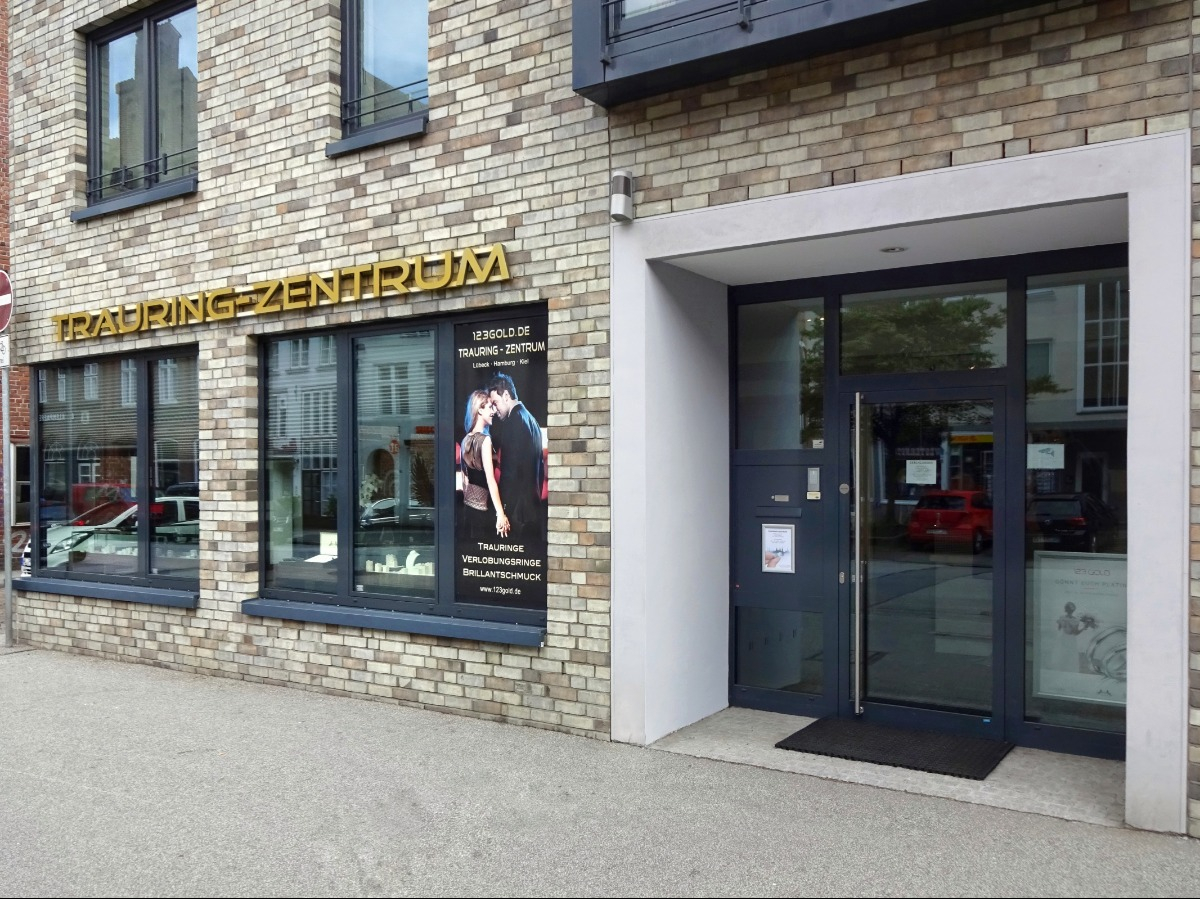
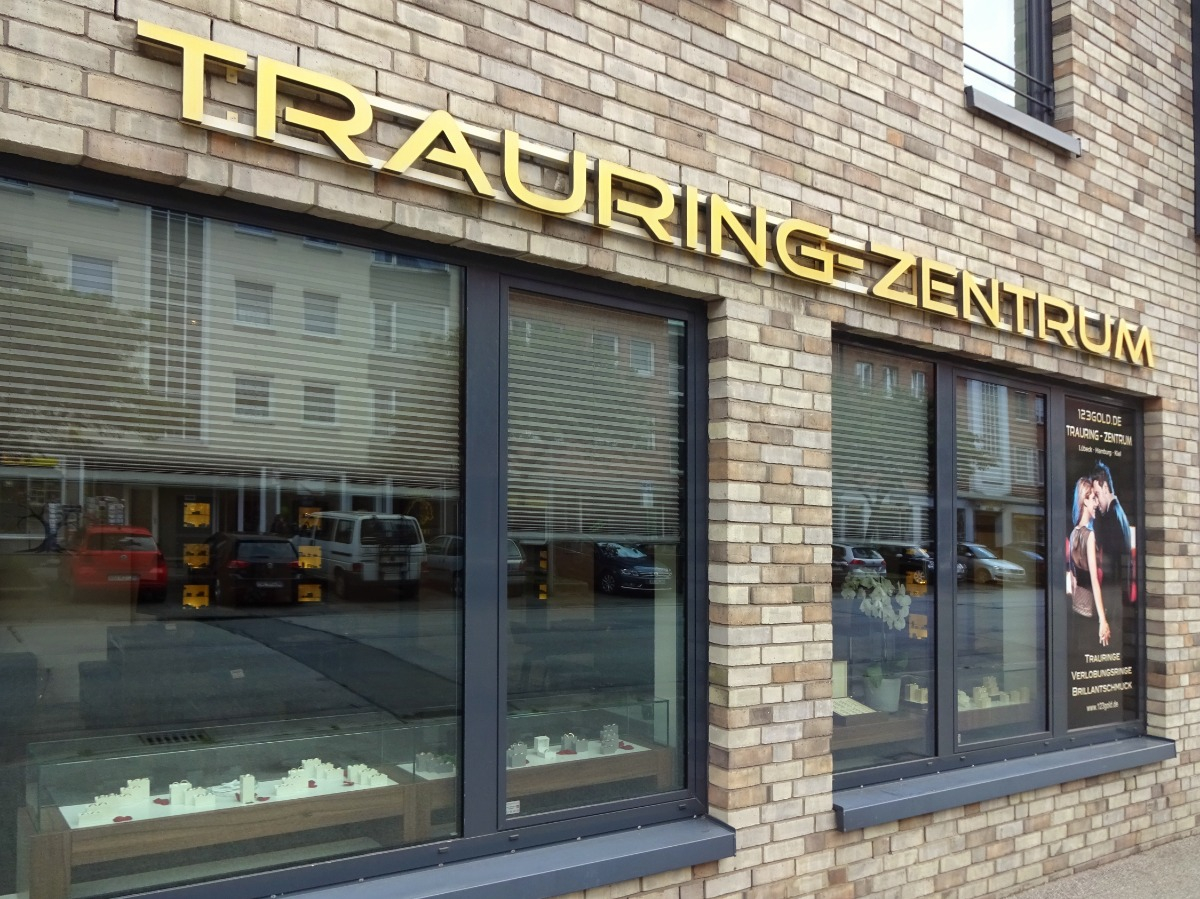
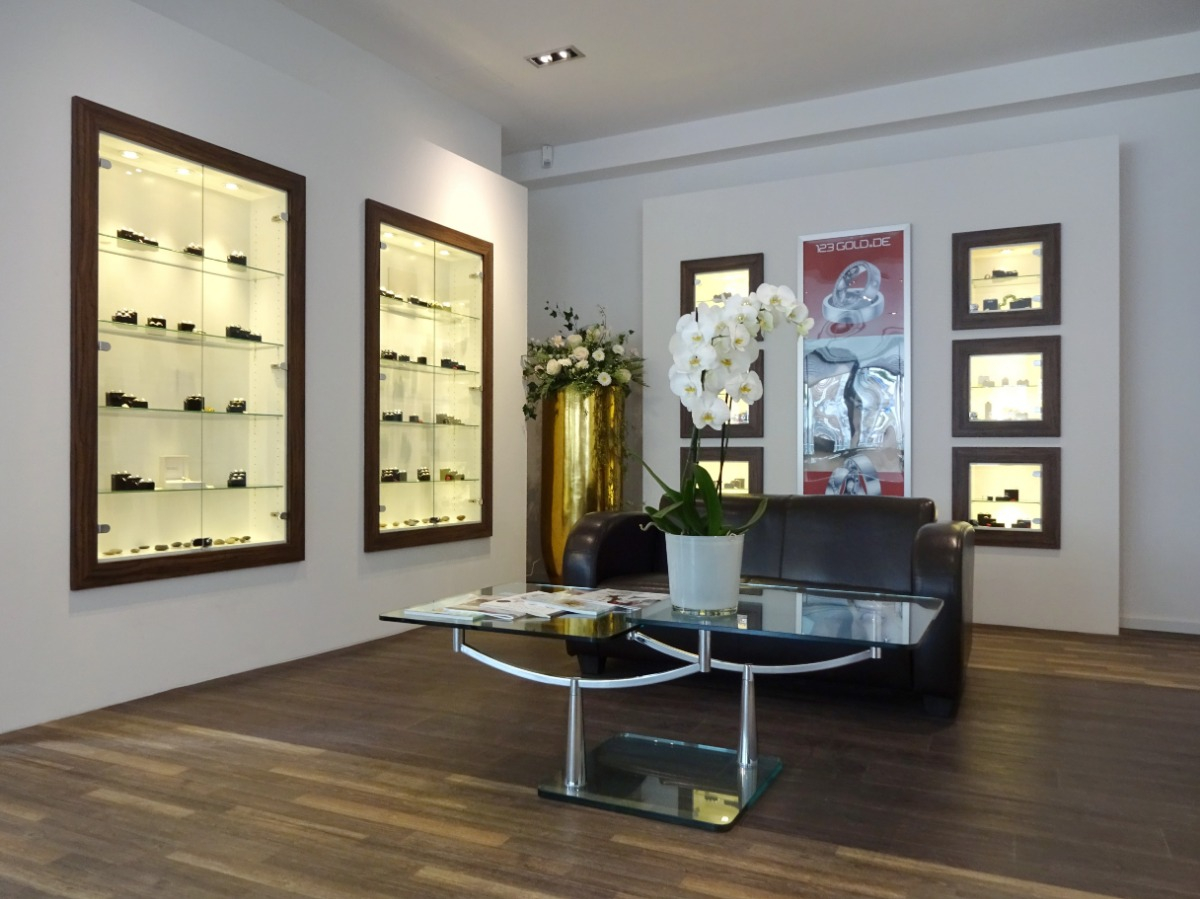
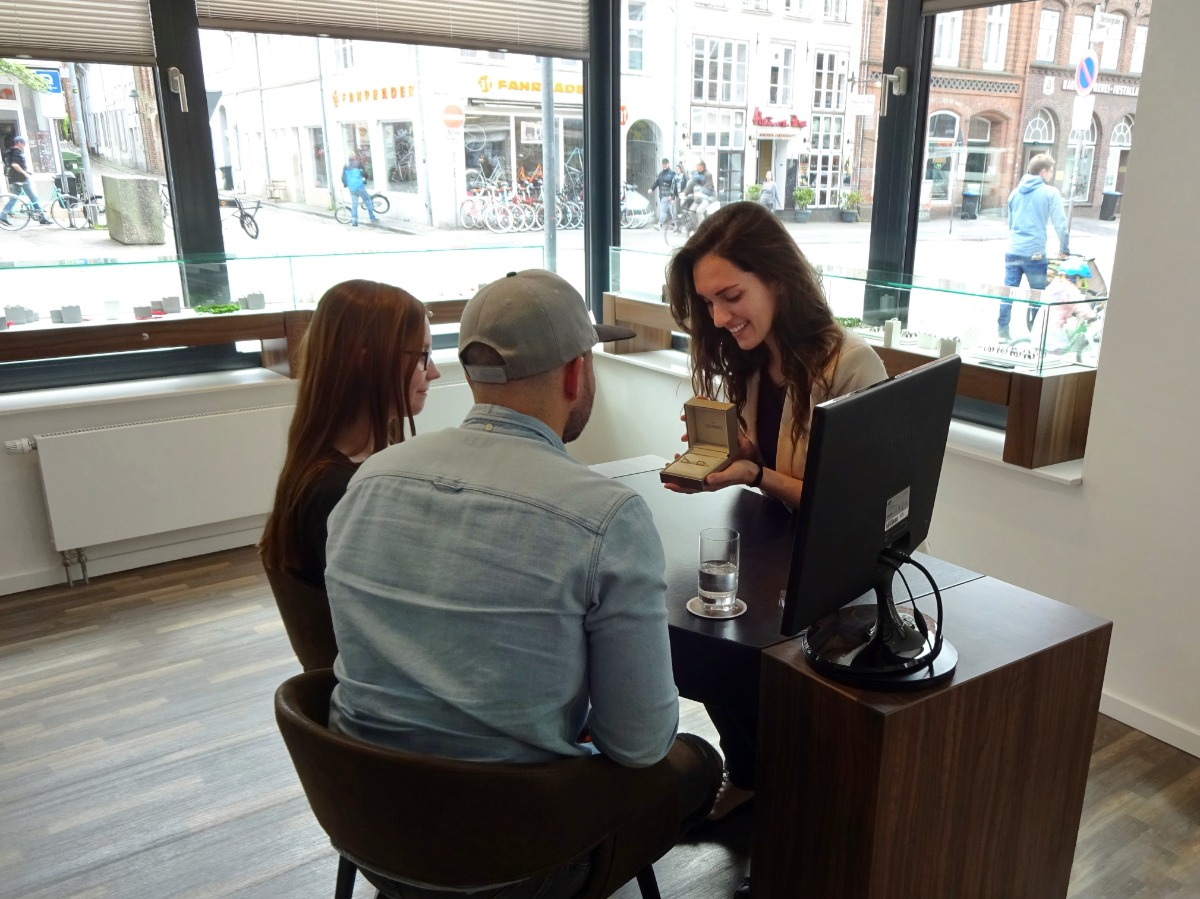
We are the specialists for engagement rings, wedding rings, memory rings and diamonds. Our consultancy is professional and authentic. With our variety of models we offer you the experience of a world of wedding rings, of a special style.
Beckergrube 56, 23552 Lübeck
Monday
Closed
Tuesday
12:00 - 18:30
Wednesday
12:00 - 18:30
Thursday
12:00 - 18:30
Friday
12:00 - 18:30
Saturday
10:00 - 17:00
Sunday
Closed
Wedding rings & engagement rings near Oldenburg in Holstein
Oldenburg in Holstein (German:[ˈɔldn̩bʊʁkʔɪnˈhɔlʃtaɪn]) is a German town at the southwestern shore of the Baltic Sea. The nearest city is Lübeck. The town belongs to the (historical) region of Holstein, today in the German state of Schleswig-Holstein.
Oldenburg was the chief town of the Wagrians, one of the Slavic peoples that migrated as far west as the river Elbe in or after the 6th century (see Völkerwanderung), also known as Wends and Obotrites. They arrived about A.D. 700 and the Slavic name was Starigard or Stargard, meaning "Old Settlement", "Old Castle", "Old City/Town"; the German name Oldenburg is of Low German origin and carries the same meaning. The Obotrites were allies of Charlemagne. Emperor Otto I established the bishopric of Oldenburg under Adaldag, archbishop of Hamburg.
To the Northern Germanic Vikings, the city was known as Brandehuse, i.e. "the burned houses", indicating the bellicose times.
For centuries, Starigard/Oldenburg remained the Slavic competitor of Hedeby on the Baltic trade, until the counts Adolph I and Adolph II of Schauenburg and Holstein, supported by Henry the Lion, finally defeated the Wends during the first half of the 12th century.
The modern town has a partnership with Bergen auf Rügen in Mecklenburg-Vorpommern.